Reading in KS2
“Reading should not be presented to children as a chore or duty. It should be offered to them as a precious gift.” — Kate DiCamillo author of ‘The Tale of Despereaux’
“To learn to read is to light a fire; every syllable that is spelled out is a spark.” – Victor Hugo, Les Miserables
“Never trust anyone who has not brought a book with them.” – Lemony Snicket, author of ‘The Series of Unfortunate Events‘
At Illogan Primary School, we strive to develop enthusiasm, confidence, and a clear understanding for literacy in all its forms. We are passionate about reading and the legacy that reading for pleasure can have on our pupil’s journey through life. We believe that competency and enjoyment of reading is key to opening the gateway for independent learning and therefore, reading is treated with high value, and as a priority by all staff at Illogan.
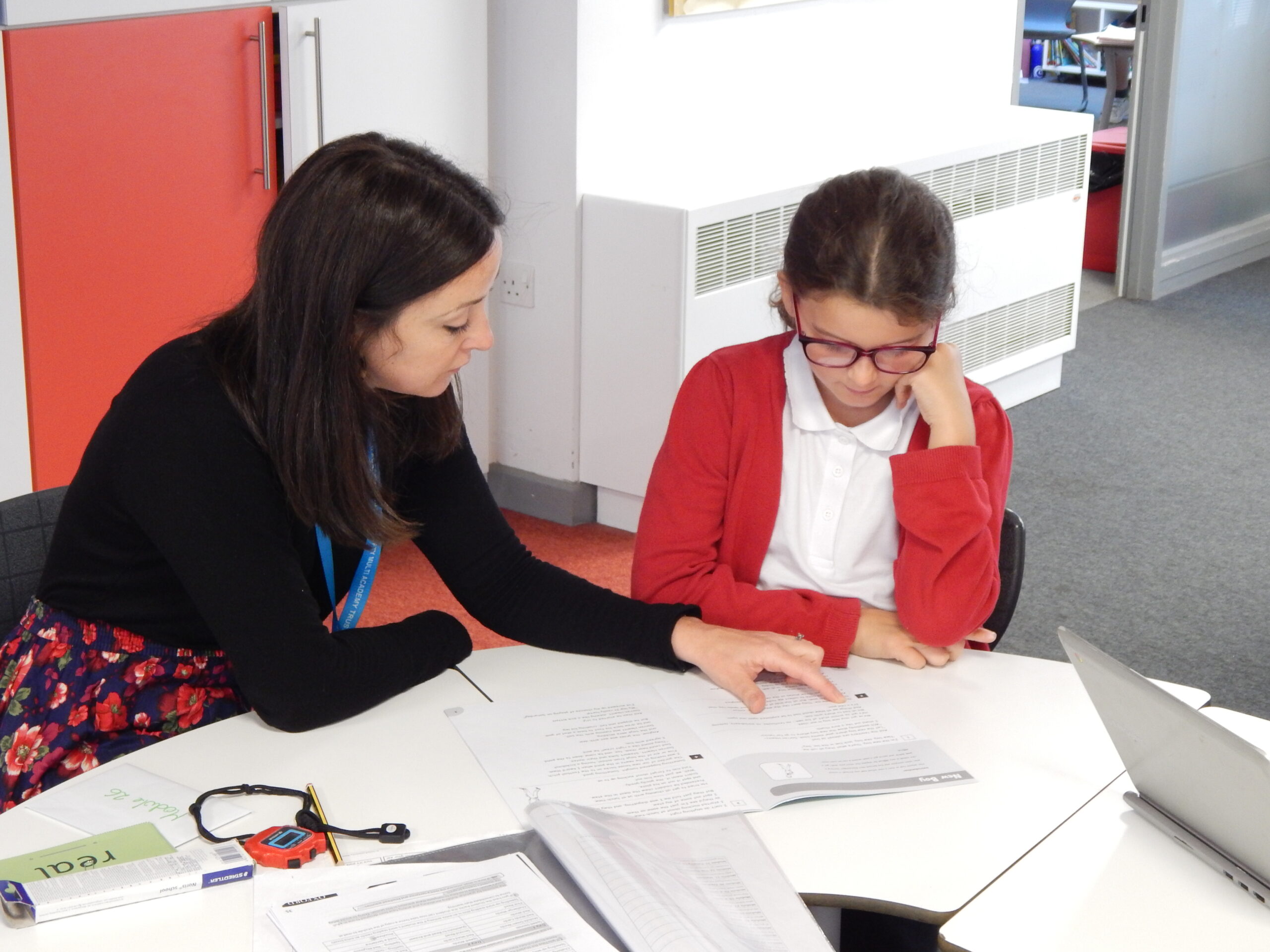
In KS2, the children build upon their reading and comprehension skills through whole class reading lessons. Each half term the class read a new text. Whilst reading the text, the teachers and children discuss the vocabulary, make predictions, read chorally, in pairs or independently. They show their understanding of texts, through discussion and comperehension questioning.
By exposing pupils to high-quality children’s literature, it allows our setting to foster rich learning environments where reading, vocabulary and comprehension skills can thrive. Through these environments, we aim to inspire our pupils to engage with reading positively whilst also supporting their development as lifelong readers and learners.
We use high quality engaging texts which have been carefully chosen to offer our learners a diverse selection of new texts from inspiring authors, alongside classics, which every reader should experience as they progress through any curriculum.
Overview of Illogan School Reading Spine
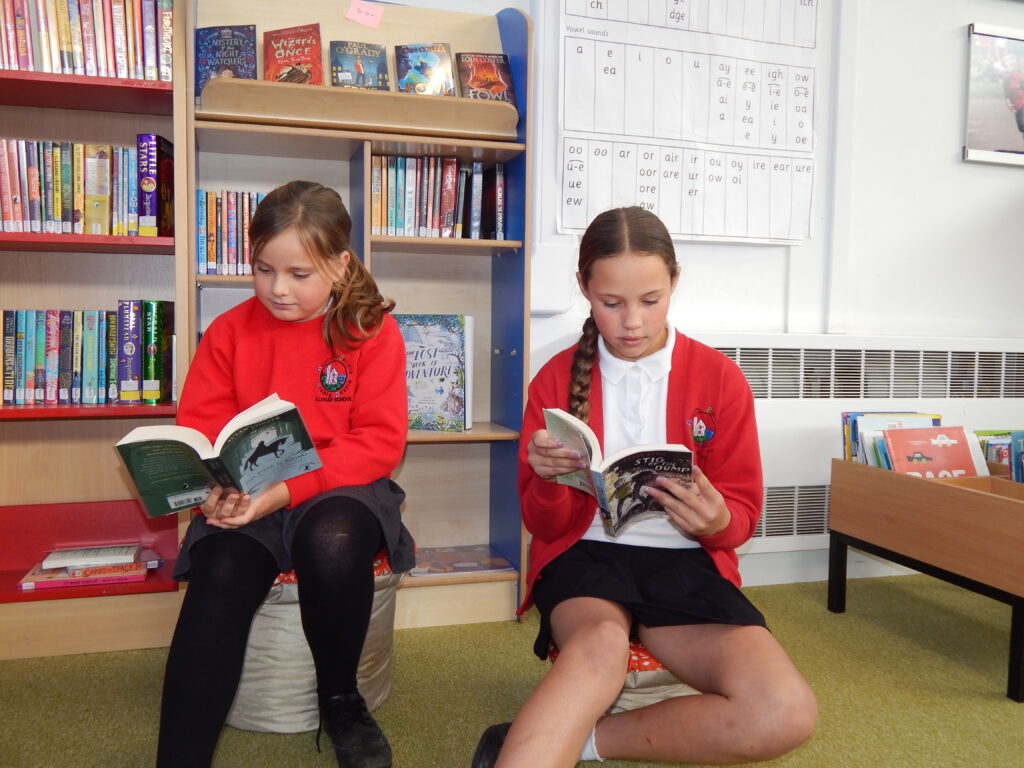
At Illogan, we aim to expose our students to a range of genres and authors allowing for every reader to develop an affinity with texts that they would not necessarily select, or be familiar with from highstreet stores selections: therefore ensuring that our pupils receive a broad and balanced reading curriculum.
Our curriculum provides opportunities for our pupils to foster empathy, debate, enquire, wrestle with moral righteousness and challenge stereotypes whilst also reflecting on vocabulary choices and the authors writing style to deepen our children’s understanding of literature in all its forms. Books are a catalyst in all aspects of our English curriculum and is prioritised through daily lessons to develop our pupils into successful speakers, wonderful writers, and reflective readers.
Teaching of Reading following Read Write Inc
One session per day is set aside for the teaching of Reading: whilst a further short session is also provided in KS2 for the teaching of spelling, grammar, and vocabulary skills.
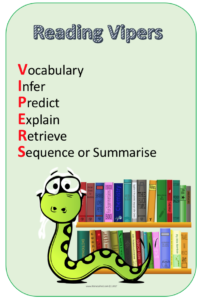
Following the completion of our early reading phonic scheme (RWInc) and fluent decoding skills have been established, greater focus is placed on comprehension and fluency skills. We use the VIPERS approach to teach the skills of reading from Year 2 or earlier dependent on achievement.
In addition to our usual whole class reading approach, children also have access to Accelerated Reader, which supports children to select appropriate books at their reading level, whilst also testing pupils comprehension through quizzing.
How can I help my child with reading at home?
Listen to your child read as regularly as possible. We encourage the children to read at home daily.
Continue to read to your child regularly.
Talk to your child about what they are reading. Key questions to ask:
What does that word mean?
How do you know that…?
Do you like this story? Why?
Why do you think that… did that?
What has happened so far?
What do you think will happen next? Why?
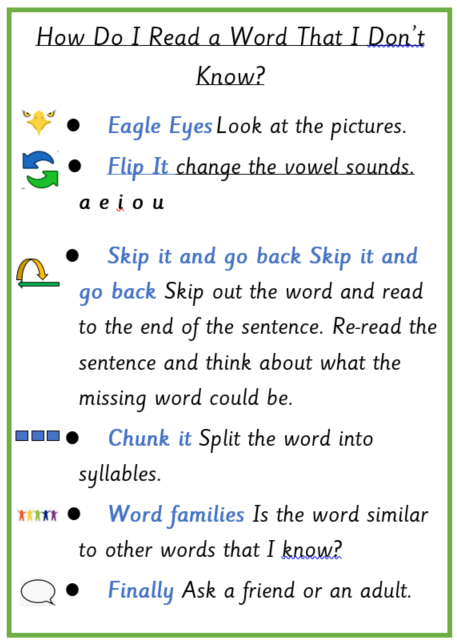
Top tips for helping your child read words that they don’t recognise.
If you have any questions about reading at school or at home, please ask your child’s class teacher and they will be more than happy to support reading from home.
Please see below for English Policy.